Skip to content

Transport: a new era in battery management

From August 2025, batteries for electric vehicles and light transport vehicles will fall within the scope of Extended Producer Responsibility (EPR). For the transport industry, this means new collection and recycling requirements. Batribox, which is already working alongside e-mobility players, is anticipating this change and is mobilizing to become the eco-organization of reference.

Site web _ header cat (11)

Decarbonizing: the challenge for the transport sector

The democratization of electric motors is revolutionizing transportation. This shift towards electric power is in line with the sector's decarbonization objectives. According to the French Ministry of Ecological Transition, this sector accounts for around 30% of greenhouse gas emissions in France, the majority of which come from internal combustion vehicles. The transition to electric mobility is therefore profoundly transforming the landscape, and encompasses a variety of machines:

  • Electric vehicles: cars, buses, trucks, etc.
  • Light means of transport: electrically-assisted bicycles, scooters, gyropods...
  • Public transport and logistics: autonomous shuttles, electric delivery vehicles...

This diversification is accompanied by an increase in the use of batteries: lithium-ion, nickel-metal-hydride (Ni-MH), lead.


Site web _ header cat (5)

Battery recycling: a strategic lever for transport

The boom in electric vehicles raises crucial challenges for players in the sector, particularly in terms of recycling.

  • icon-person-blue

    Safe management and traceability

    Ensure safe collection and processing to prevent the risks associated with the hazardous substances contained in batteries.
  • icon-person-blue

    Preserving resources

    Recover strategic materials (lithium, cobalt, nickel) to reduce dependence on virgin raw materials.

  • icon-person-blue

    Regulatory compliance

    Anticipate the integration of batteries for electric vehicles and light means of transport into the EPR chain from August 18, 2025.
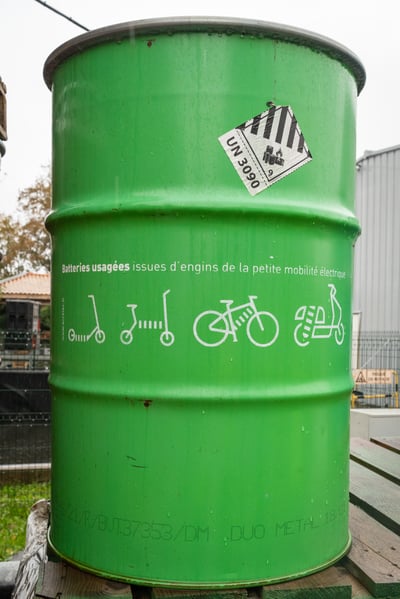
Batribox - Cestas-66

Recognized expertise in the collection and recycling of mobility batteries

Several years ago, Batribox set up a voluntary network
dedicated to the collection and recycling of batteries used in small-scale
electric mobility. This initiative covers batteries from
scooters and other light means of transport.
means of transport.

Thanks to this experience, Batribox has developed solutions adapted
to the specific needs of electric mobility batteries. Recycling
partnerships to promote battery reuse and reconditioning.
and reconditioning of batteries. We are experimenting with various ways
to extend their lifespan and reduce their environmental impact.
environmental impact.


Towards an EPR system for electric vehicle batteries

With the entry into force of the European regulation extending the
to all categories of batteries, including those used in electric vehicles
Batribox's ambition is to become the reference eco-organization
for their collection and recycling.

Our current actions :

  • Strengthening partnerships with manufacturers
    Close collaboration to develop collection and processing solutions
    adapted to the growing volumes of end-of-life batteries.
  • Raising awareness and supporting industry players
    Information on forthcoming regulatory obligations and best practices in used battery management and eco-design.
    design.


Site web _ header cat (6)