
Light modes of transport
Faced with the rise of electric mobility and environmental requirements, the management of batteries for light modes of transport (LMT) is a major strategic challenge. In August 2025, they will become part of a dedicated EPR chain. Batribox is already anticipating this transition by implementing specific solutions and initiatives to improve the treatment and reuse of batteries.
-1.png?width=1080&height=1080&name=Design%20sans%20titre%20(3)-1.png)
What is the MTL category?
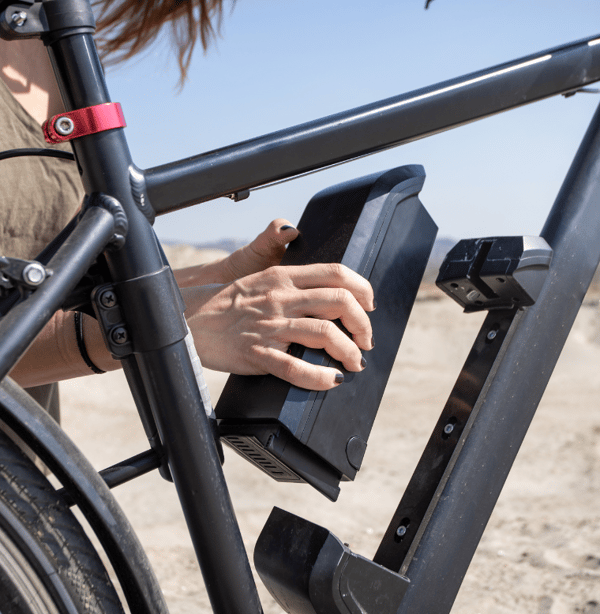
Batteries for light modes of transport (LMT) are designed to power small electric mobility vehicles: electric bicycles, scooters, draisiennes, skateboards or scooters. According to European regulations, they must :
- Be sealed.
- Weigh less than 25 kg.
- Supply the energy needed to drive these vehicles (electric motor alone or combined electric motor/human propulsion).
- Consisting mainly of lithium-ion cells in addition to lead, they also incorporate complex electronic components, including a Battery Management System (BMS) to control operation and optimize safety.
-1.png?width=1080&height=1080&name=Design%20sans%20titre%20(4)-1.png)
e-mobility: anticipating tomorrow's requirements today
In 2020, Batribox anticipated the regulations by creating a voluntary channel dedicated to batteries for light modes of transport (LTM). The aim is to ensure responsible management of these batteries at the end of their life.
A dedicated system designed to support the growth of electric mobility and structure a sustainable industry.
- Collection and recycling via a national network of audited service providers.
- One-stop shop developed with Ecologic to simplify declaration and take-back.
- Secure collection of used batteries.
- Cost-sharing between industry players.
- Smooth transition to the August 2025 regulations.
A dedicated system designed to support the growth of electric mobility and structure a sustainable industry.
-

Pilot projects to encourage repair
Setting up pilot projects to promote repair and reconditioning. -

An innovative partnership to give batteries a second life
Innovative partnership with VoltR, a start-up specializing in the repurposing and remanufacturing of end-of-life lithium-ion batteries. -

Test the potential of repair with Doctibike
A study has been conducted with Doctibike in 2021 to test the potential of MTL battery repair. -

Committed to the circular economy alongside INEC
Collaboration with INEC (Institut National de l'Économie Circulaire) to promote the circular economy and support producers in eco-design. -

Creating synergies for more sustainable mobility
By creating synergies between manufacturers, recyclers and second life providers, Batribox promotes responsible management of MTL batteries and paves the way for more sustainable mobility.